1885
Origins of the Mural in the 19th Century
Murals and Jewish Life in 19th C Eastern Europe

Great Wooden Synagogue in Pakruojis, Lithuania. Photo by Stasys Vaitkus
Read more about other former synagogues where wall paintings have been discovered, or about synagogues still in use where the decoration is part of this tradition:
Read more about wall paintings in Central and East European synagogues from the Center For Jewish Art
Read more about the former synagogue of Čekiškė, Lithuania
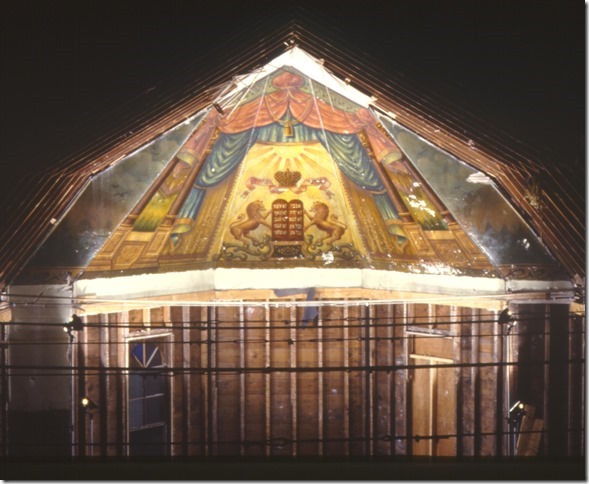
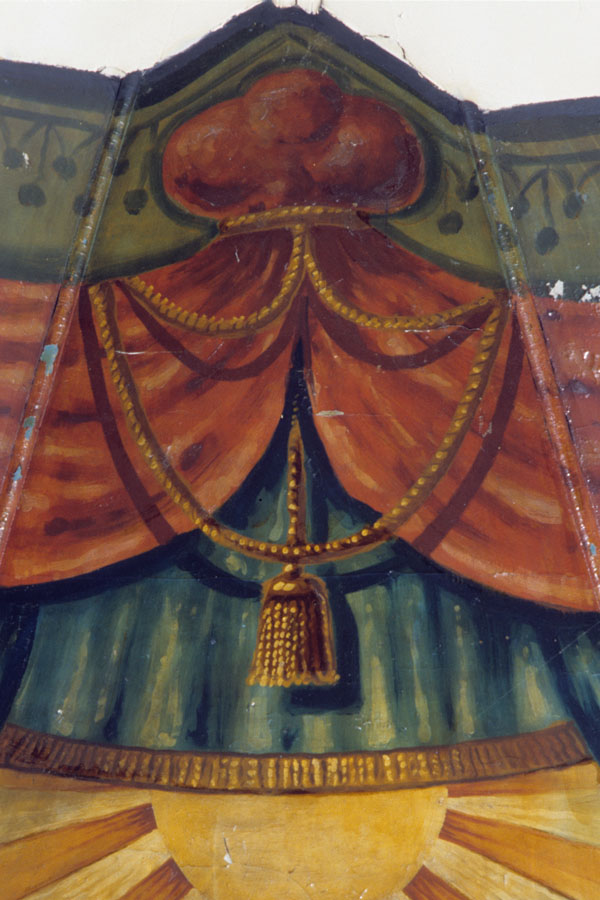
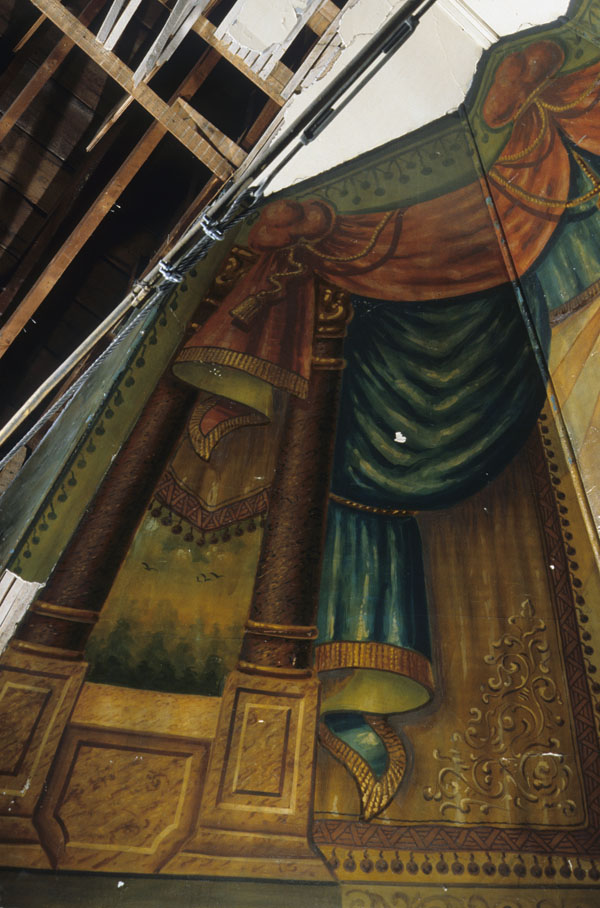
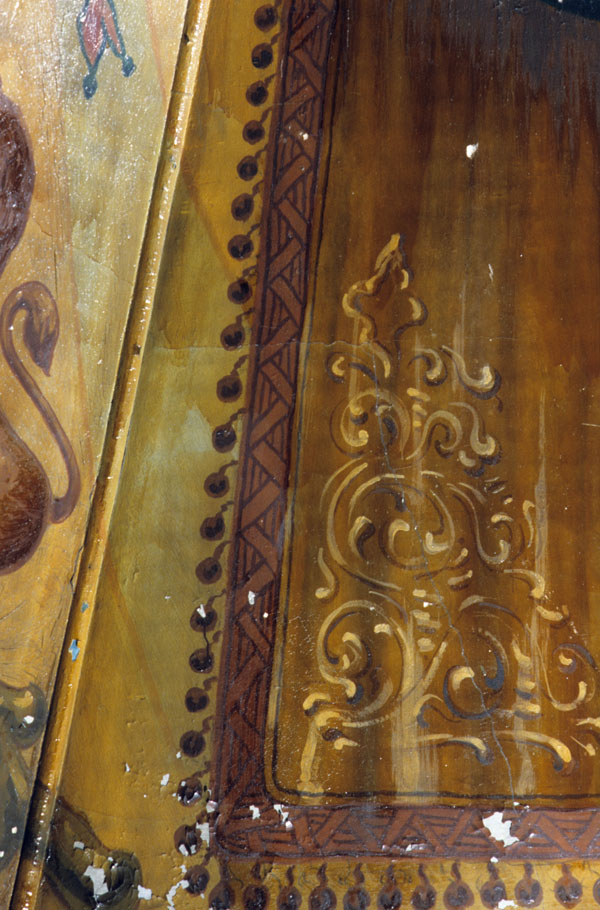
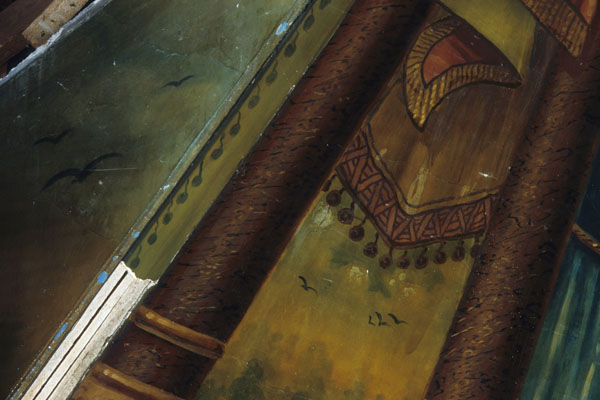
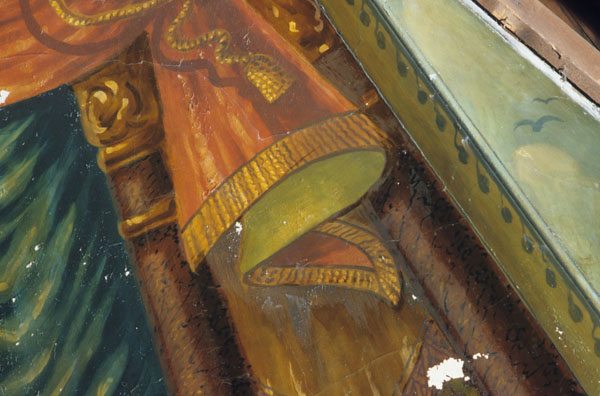
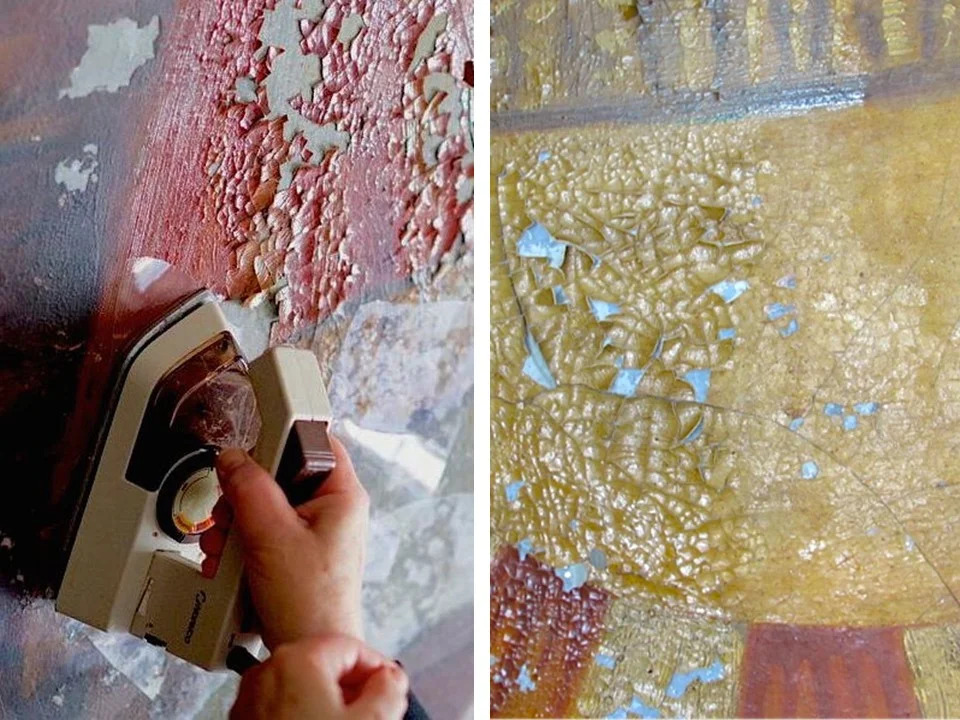
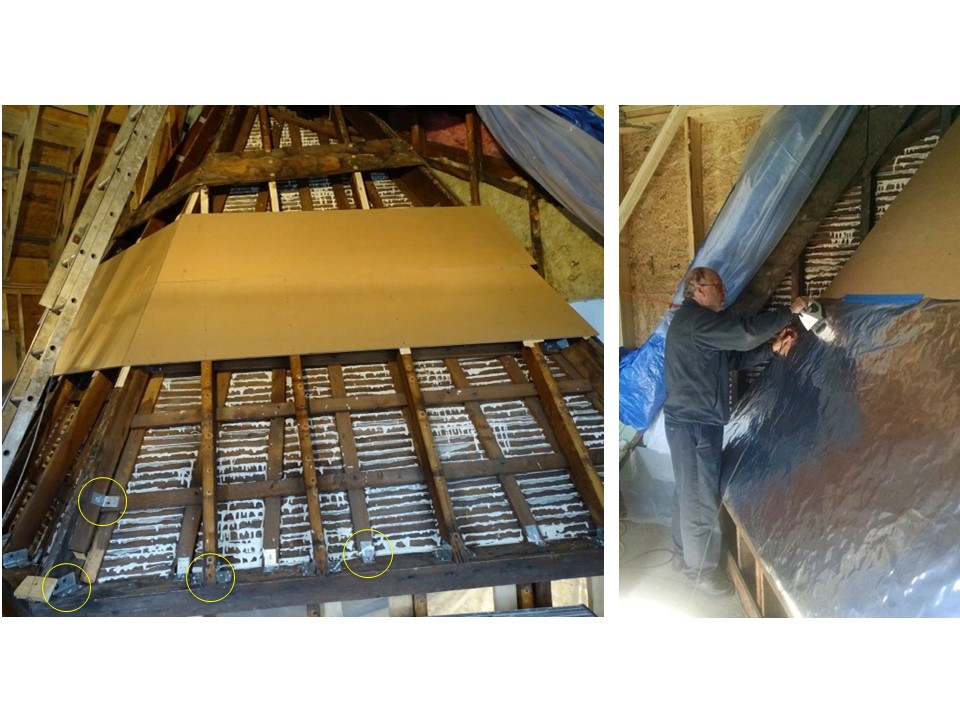
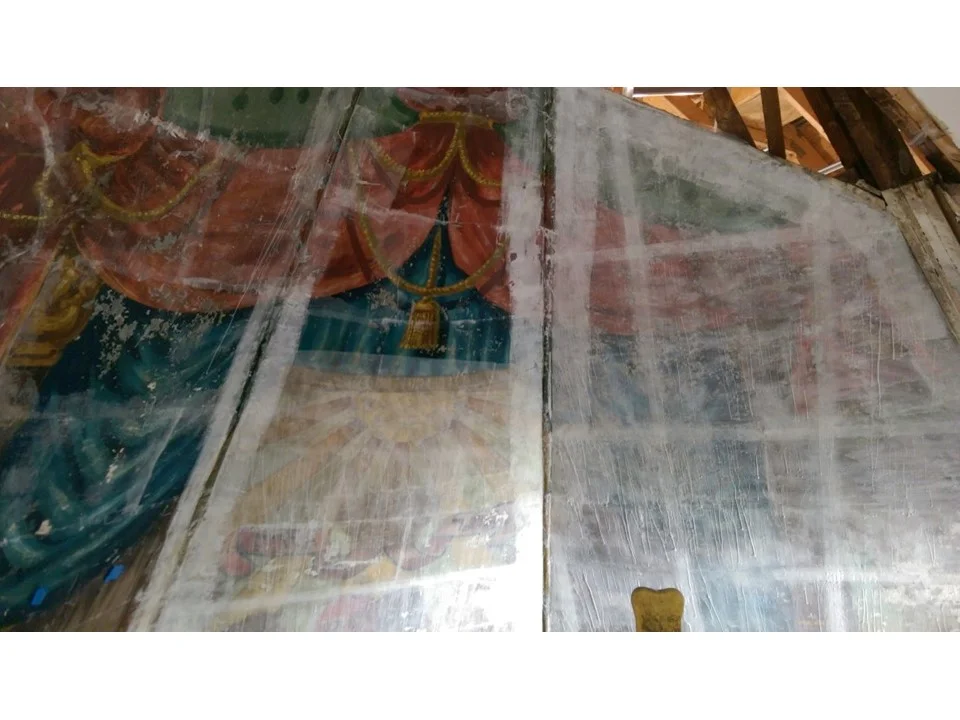
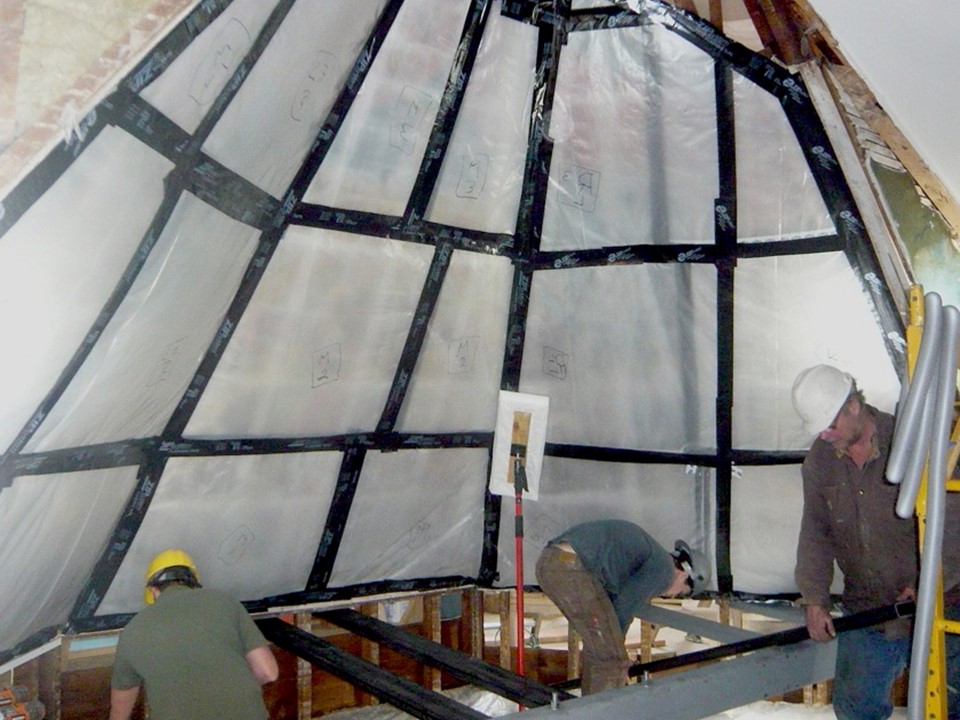
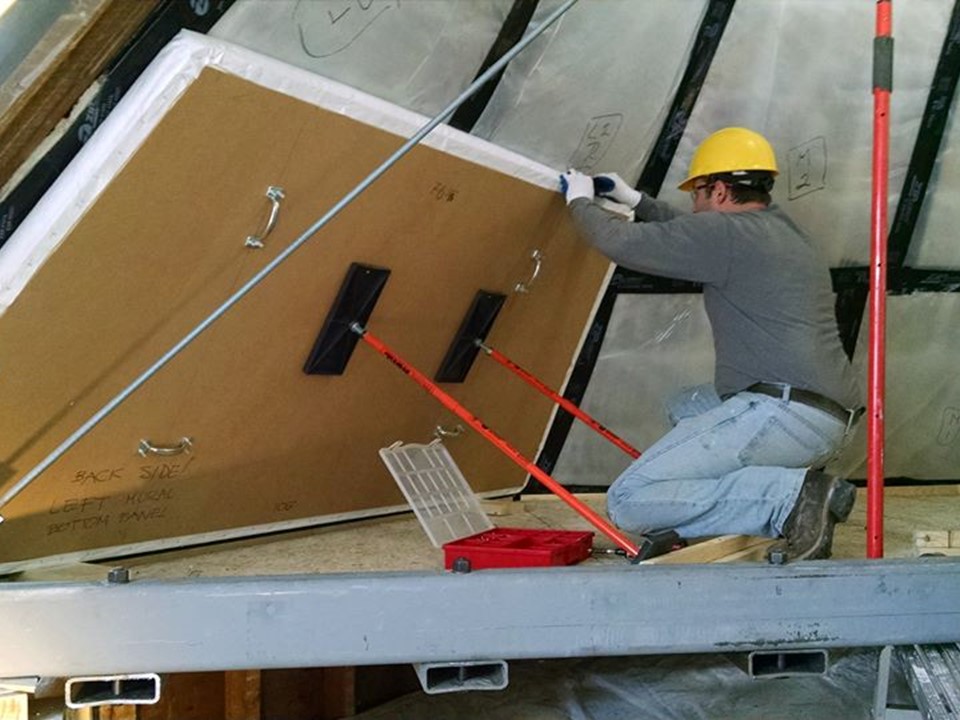
About the Lost Mural
Dr. Samuel D. Gruber Lectures:
First lecture, November 9, 2013: “Chai Adam Mural: A Precious Link Between Old World and New” - Samuel D. Gruber,
Ph. D.Second lecture, November 10, 2013:“Rampant Lions & the Law Revealed: The Chai Adam Mural and the Intersection of Art, Memory and History” - Samuel D. Gruber, Ph.D.
10 Questions and Answers about the Lost Mural: https://drive.google.com/file/d/1e-yATqQsqrXOK7xugKFF07RBNL0qOaZs/view?usp=drive_link
About Wooden Painted Synagogues
Powerpoint:
“Synagogues and Jewish cemeteries in the Russian Empire,” Vladimir Levin, Center for Jewish Art, Hebrew University, Israel
Synagogues in Lithuania - Center Jewish Art lecture Beit Avi Chai.pdf
For more information on the East European painted wooden synagogues, including photos, video and articles, you can utilize this direct link to the YIVO Encyclopedia:
The Origins of Burlington’s “Little Jerusalem”
In 2012, Vermont Public Television produced an award-winning hour-long documentary, “Little Jerusalem” (1885–1986). Archival photographs, records, stories, and interviews with former residents were used to recreate the spirit of this unique transplanted Lithuanian shtetl of more than one thousand residents, which flourished through World War II.
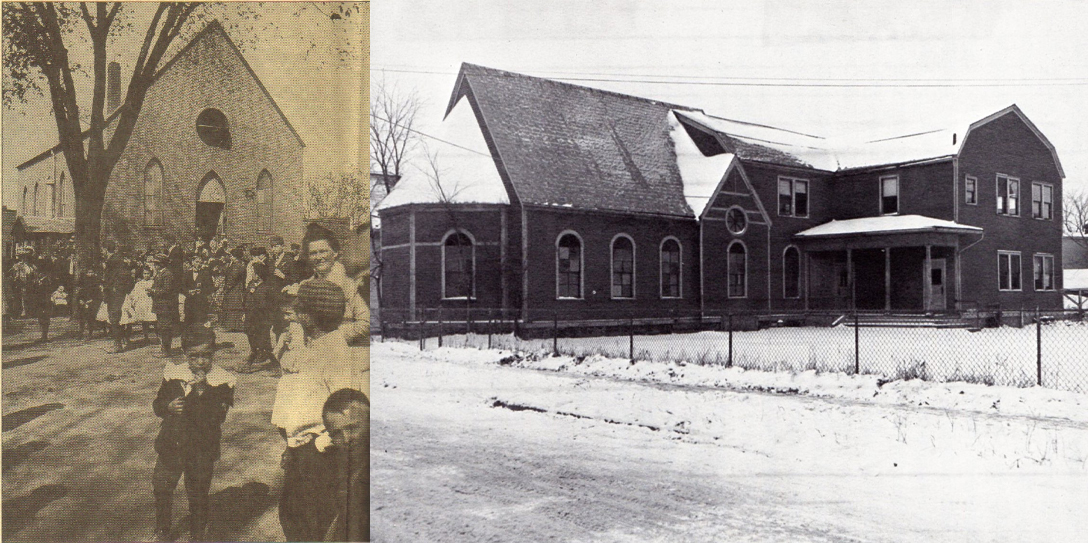
Left Image: Burlington’s original synagogue, Ohavi Zedek (“Lovers of Justice”) was built in 1887 by a group of itinerant peddlers from Cekiske, Lithuania (outside Kovno). This 1903 photograph, from Simhat Torah, shows the newly bricked exterior.
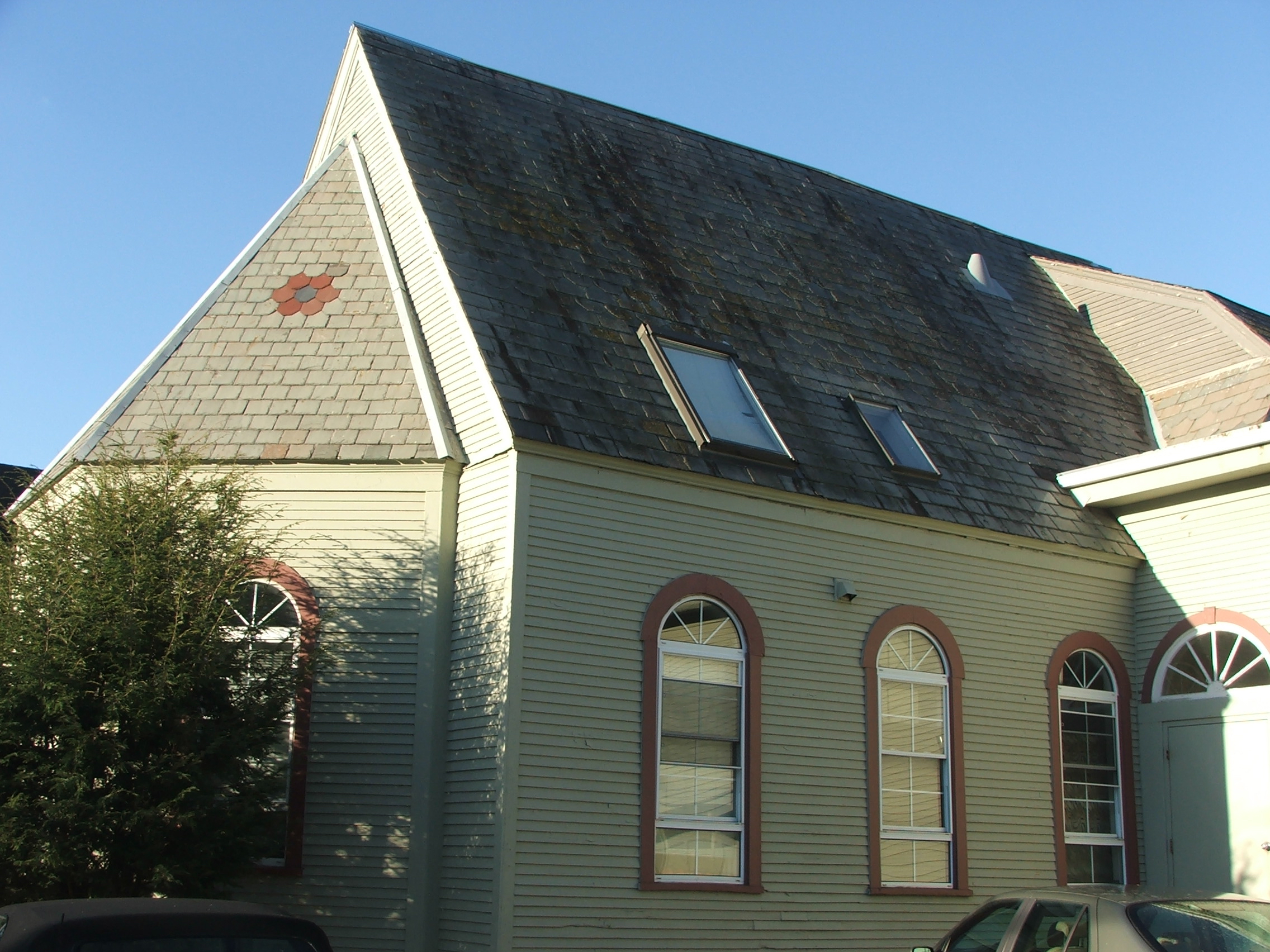
Right Image: In 1889, the tiny Jewish community (150 residents) built a second synagogue, Chai Adam (“Life of Man”), within 500’ of the first. The wooden synagogue included a unique second story Victorian turret (seen on left, pitched slate roof), situated above the ark. In 1910, this interior space would house the mural.